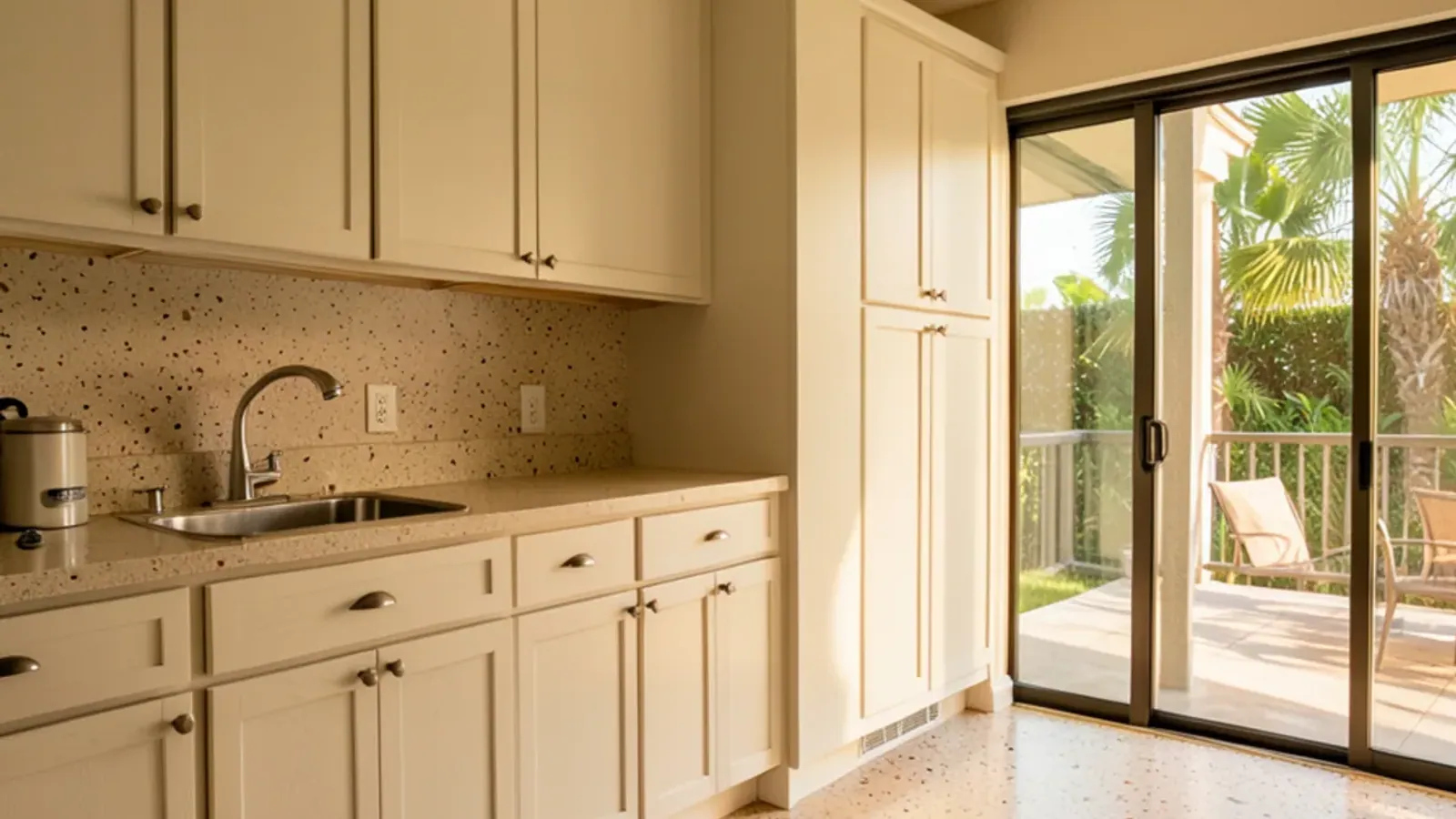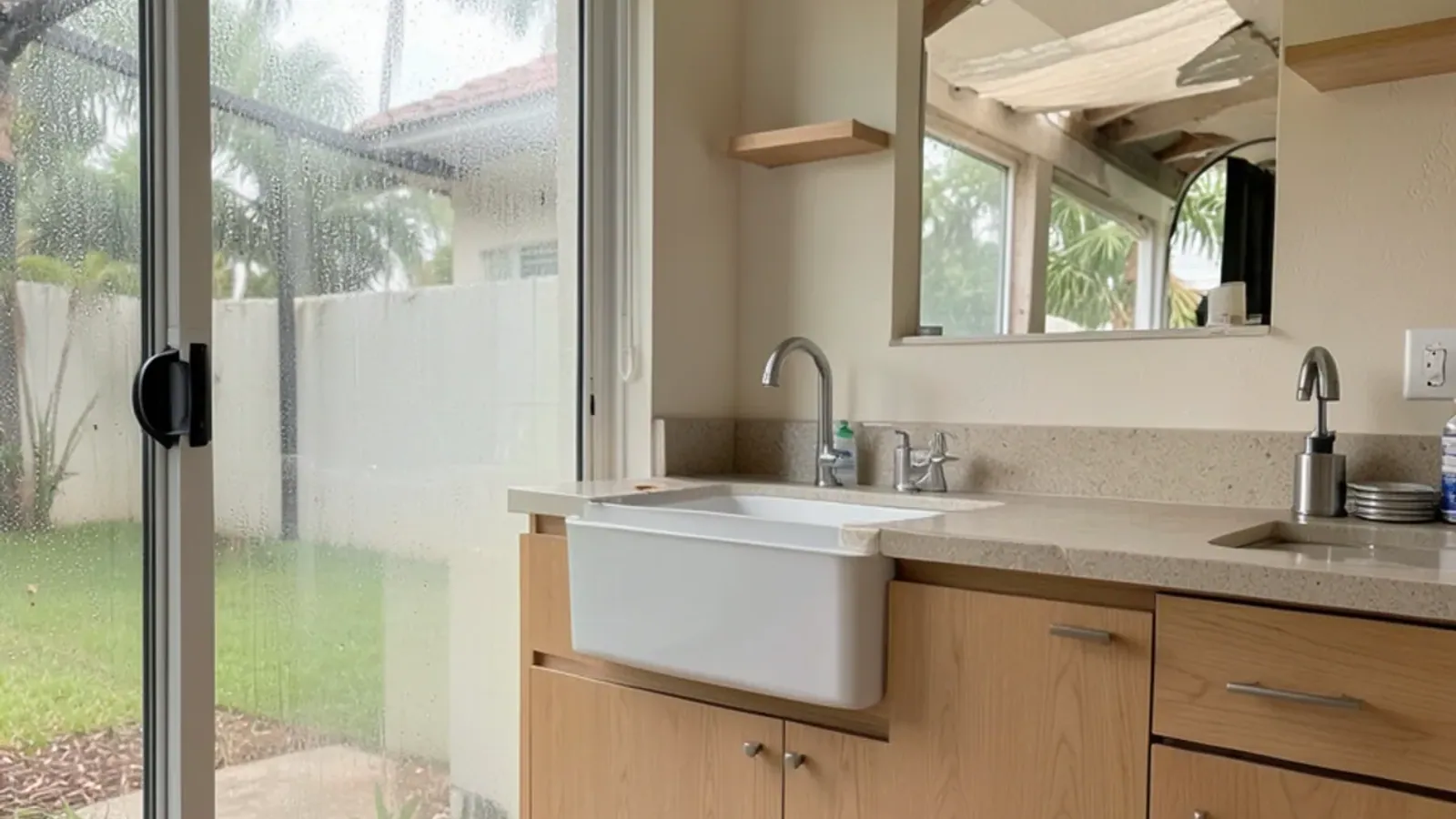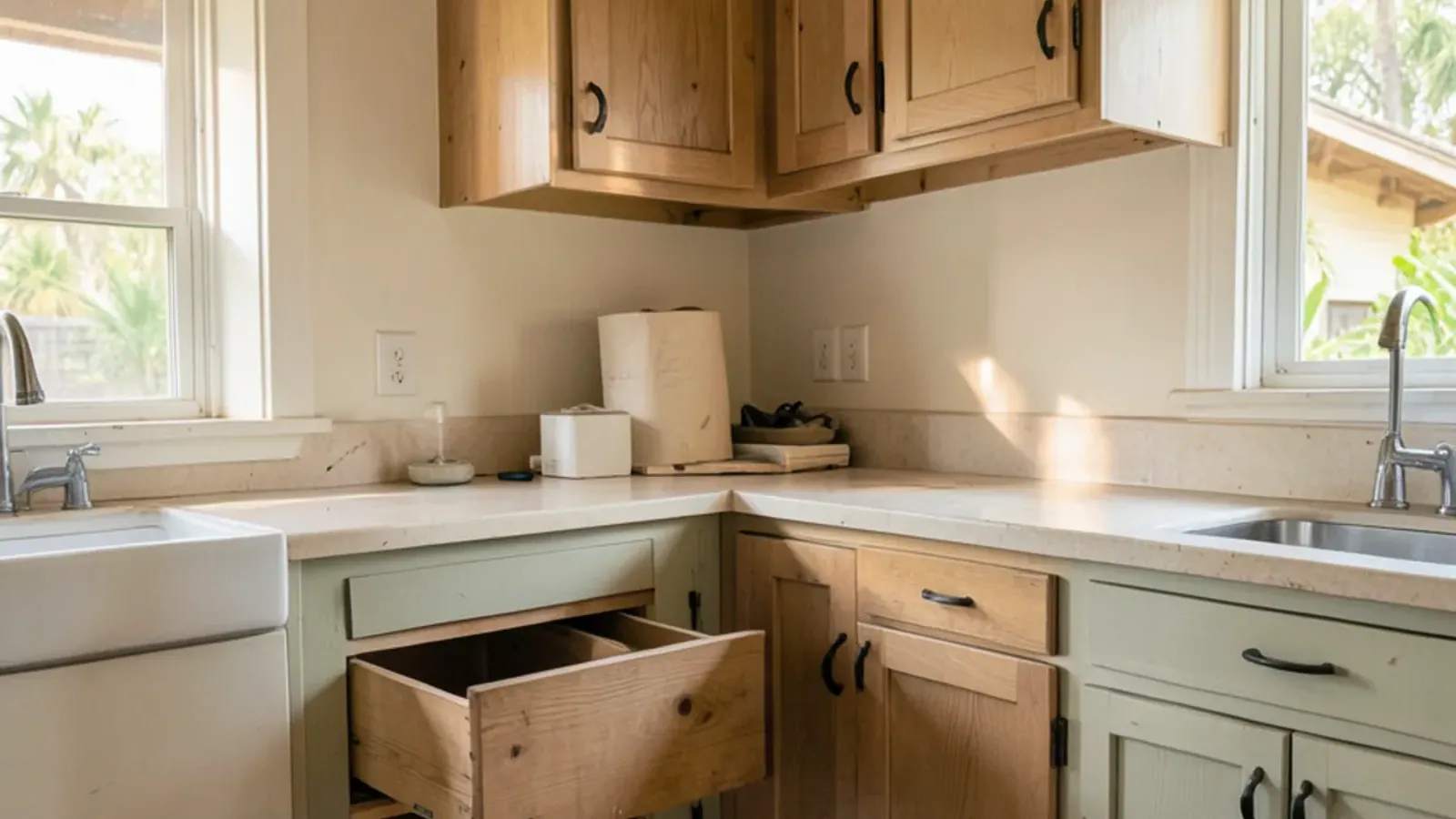
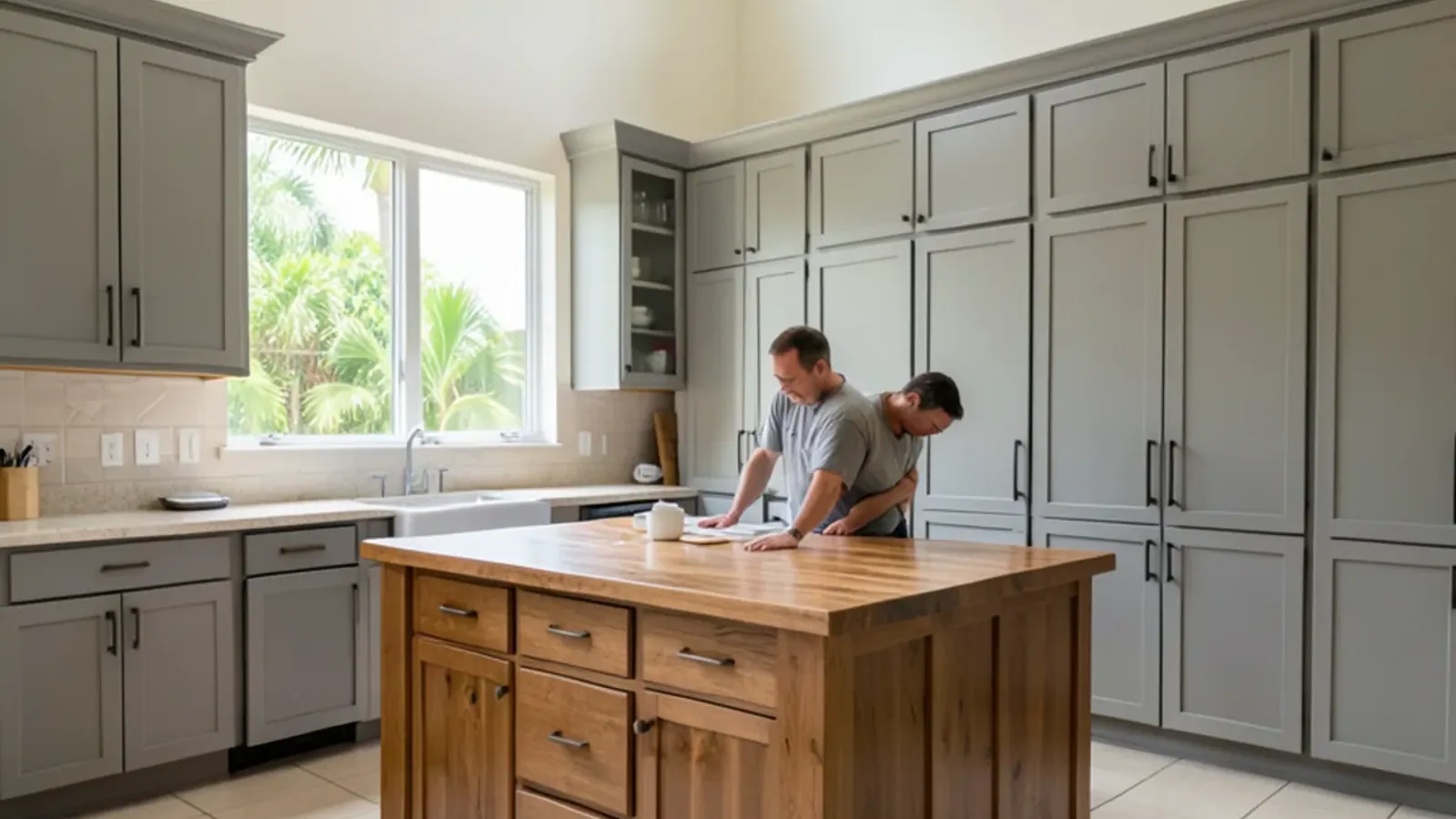
When weighing custom vs semi-custom cabinets, the real question is who decides the dimensions. Stock cabinets come in a fixed menu of sizes and finishes, built ahead of time. Semi-custom cabinets start from a manufacturer's catalog but let you modify sizes, depths and finishes. Custom cabinets are drawn and built for one room, in any size, wood or door style.
Each level has a place. The sections below compare them on sizing, materials, finish choices and lead time, explain where catalog cabinets run out of room, and show how to decide for the kitchen you actually have.
Stock, semi-custom and custom side by side
| Stock | Semi-custom | Custom | |
|---|---|---|---|
| Sizes | Fixed widths, usually in 3-inch steps | Catalog sizes with some width and depth changes | Any dimension, drawn to the room |
| Box material | Often particleboard or MDF with a laminate skin | Varies by line; upgrades available | Chosen by you and the maker; hardwood in our shop |
| Door styles and finishes | A short list | A wider catalog list | Any profile, species or finish, including matches to existing work |
| Design help | Minimal; you assemble a layout from parts | Dealer or designer lays out catalog boxes | Full working drawings plus a 3D model of the room |
| Lead time | Shortest; sometimes in stock | Longer; built to order at a factory | Built to order in a local shop |
| Gaps at walls | Filled with filler strips | Fewer fillers | Boxes sized and scribed to fit |
Prices overlap more than the labels suggest. A heavily optioned semi-custom order can approach custom pricing, while a modest custom kitchen in a simple species may land closer to semi-custom than people expect.
The labels mean different things from one seller to the next, so read the quote rather than the brochure. A line sold as semi-custom may allow only a handful of width changes, and a shop calling itself custom may still assemble factory boxes and add its own doors. Ask three plain questions of any proposal: who sets each cabinet’s dimensions, what the box sides and drawer boxes are made of, and whether a cabinet can be built to a size that appears in no catalog.
What does stock really get you?
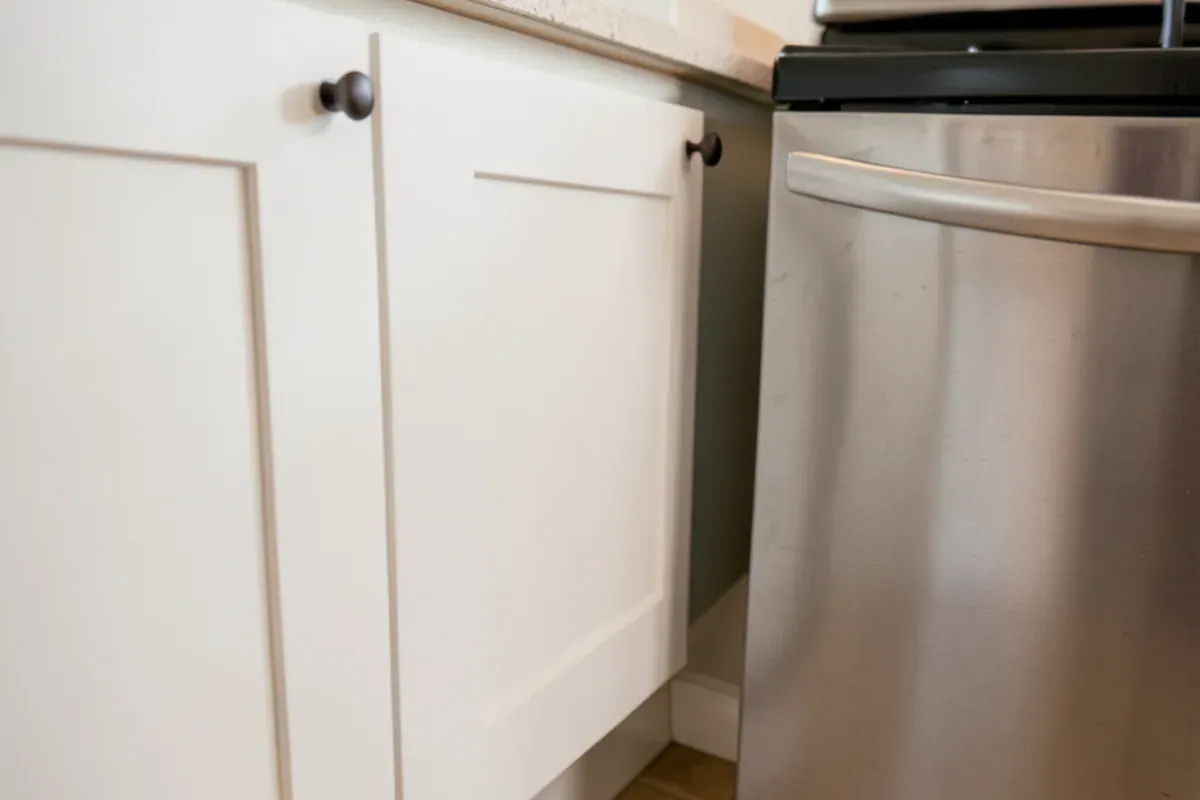
Stock cabinets are made in volume to standard sizes. You choose a box that is close to the space and close the leftover gap with a filler strip. In a simple rectangle with square walls, that can work well and quickly.
The compromises show up in three places. Filler strips eat storage, especially at corners and next to appliances. Box materials are frequently particleboard or MDF, which the USDA Wood Handbook describes as prone to irreversible thickness swelling when wetted, unlike plywood. And finish choices are limited to whatever the line offers that year.
Where semi-custom fits, and where it stops
Semi-custom lines add a menu of modifications to catalog boxes. Common options include:
- Reducing cabinet depth for a narrow wall or a hallway pantry
- Changing width in small increments to cut down on fillers
- Finished end panels and decorative legs for an island
- Extra drawer configurations, roll-outs and organizers
- A broader palette of stains and paints
Semi-custom stops where the catalog stops. The door profiles, species and box construction are fixed by the factory. If you want a door that matches a 1960s built-in elsewhere in the house, a species the line does not carry, or a cabinet shaped around a column, the order form has no box for it.
One useful yardstick for catalog lines is the Kitchen Cabinet Manufacturers Association’s quality seal. KCMA says cabinets that earn its ANSI/KCMA A161.1 seal have passed 14 third-party tests, including a 600-pound load test, and that sealed cabinets exist at every price point, framed and frameless alike. If a stock or semi-custom line carries the seal, its boxes and hardware have been through that testing; if not, ask what stands behind it. A local shop building one kitchen at a time is judged on different evidence: its drawings, its joinery and finished work you can look at in person.
What do you get from custom vs semi-custom cabinets?
With custom work, the room comes first. We measure first, then draw the room in working plans and a 3D model, so each box is sized to the wall it will stand against. Each cabinet is made at 1121 Lewis Ave from domestic or exotic hardwood. Drawers are dovetailed, face frames are mortised and tenoned, and mass-produced particleboard or MDF boxes are never part of the build.
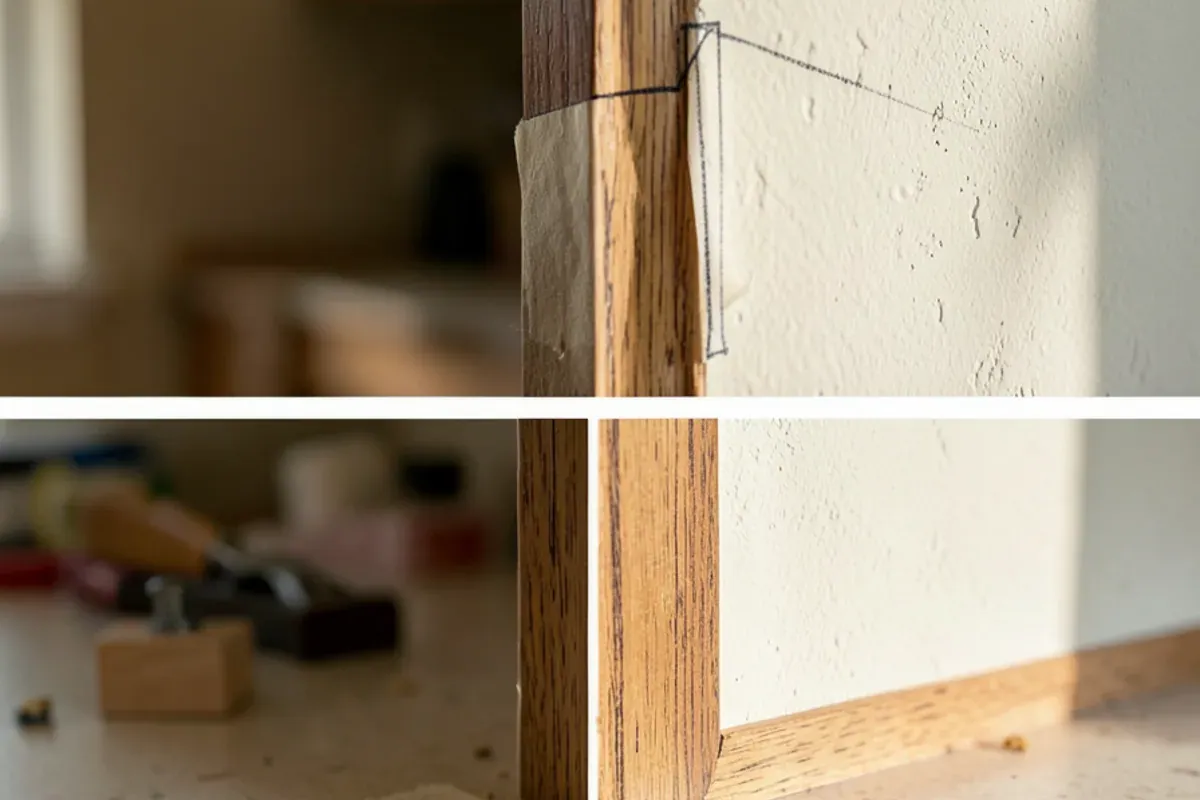
That control pays off in awkward spaces: a ceiling that slopes, a window that sits off center, a wall that bows a half inch over its length. It also lets you match existing millwork, trim or furniture elsewhere in the home, which no catalog can promise.
Who measures the room, and who owns a fit mistake?
This is the difference that rarely shows up on a comparison chart, and it decides how a project goes when a wall turns out to be an inch shorter than the plan.
- Stock: you or your installer measure, choose boxes from the sizes on offer and close the gaps on site. A box that turns out wrong is usually exchanged for another standard size, if one fits.
- Semi-custom: a dealer or designer measures and enters the order, and a factory builds it. A mis-sized box generally means a reorder from that factory and another wait before the kitchen can be finished.
- Custom: the maker measures, draws and builds, so the dimensions on the drawing and the boxes in the shop come from the same tape. Out-of-square walls are handled with scribe allowances planned before building, not with filler strips cut on install day.
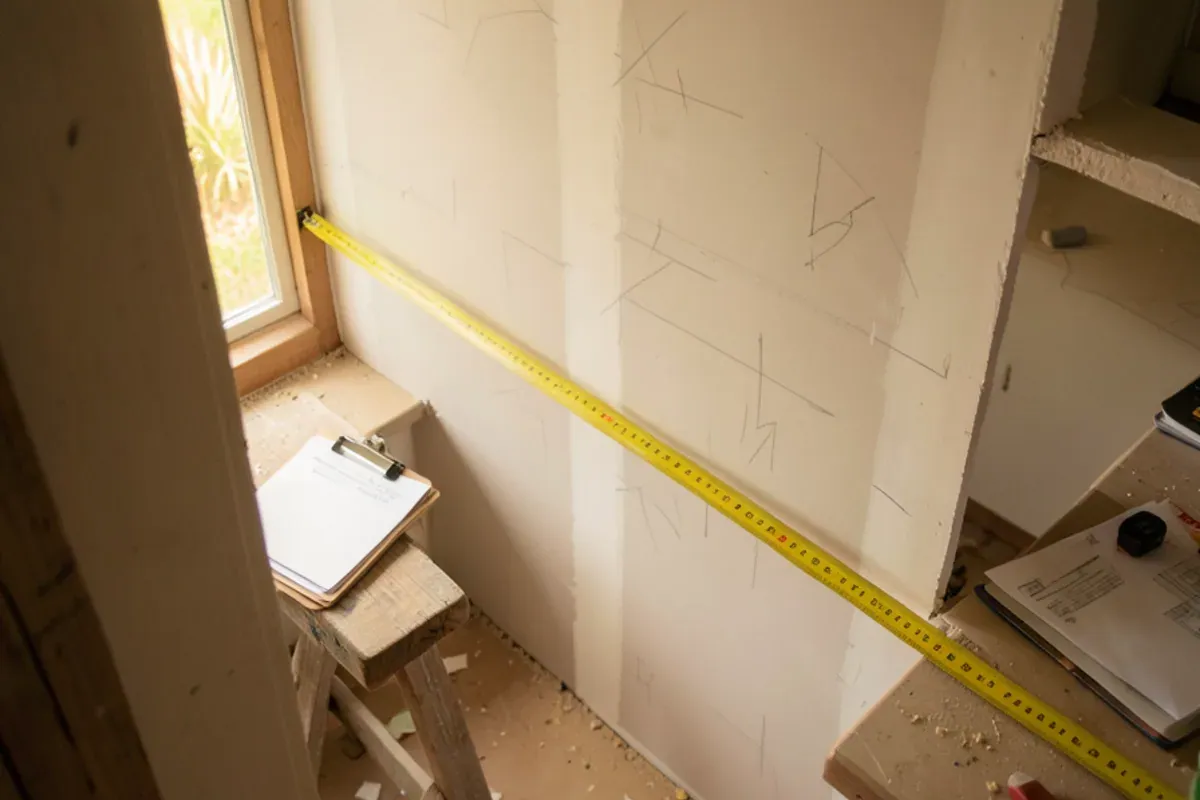
Whichever route you take, get the final measurements confirmed in the room after any demolition, drywall or window work, and before anything is ordered or built. Countertop templating comes later, once the cabinets are set and level, so it depends on this step being right as well.
Choosing for a Lakewood Ranch or Sarasota kitchen
Many homes in Lakewood Ranch were built within the last decade with builder-grade stock cabinets. The boxes are often fine for a few years; then hinges loosen at the sink, finishes wear at the pulls, and owners want storage the original layout never had. Those kitchens are a common reason people step up to custom.
Older homes in Sarasota raise the opposite problem. Walls are rarely square, soffits hide ductwork, and original built-ins deserve to be matched. Fitting catalog boxes into those rooms usually means a lot of filler and trim, while custom boxes can be scribed tight and set through our kitchen cabinet installation service as one continuous process.
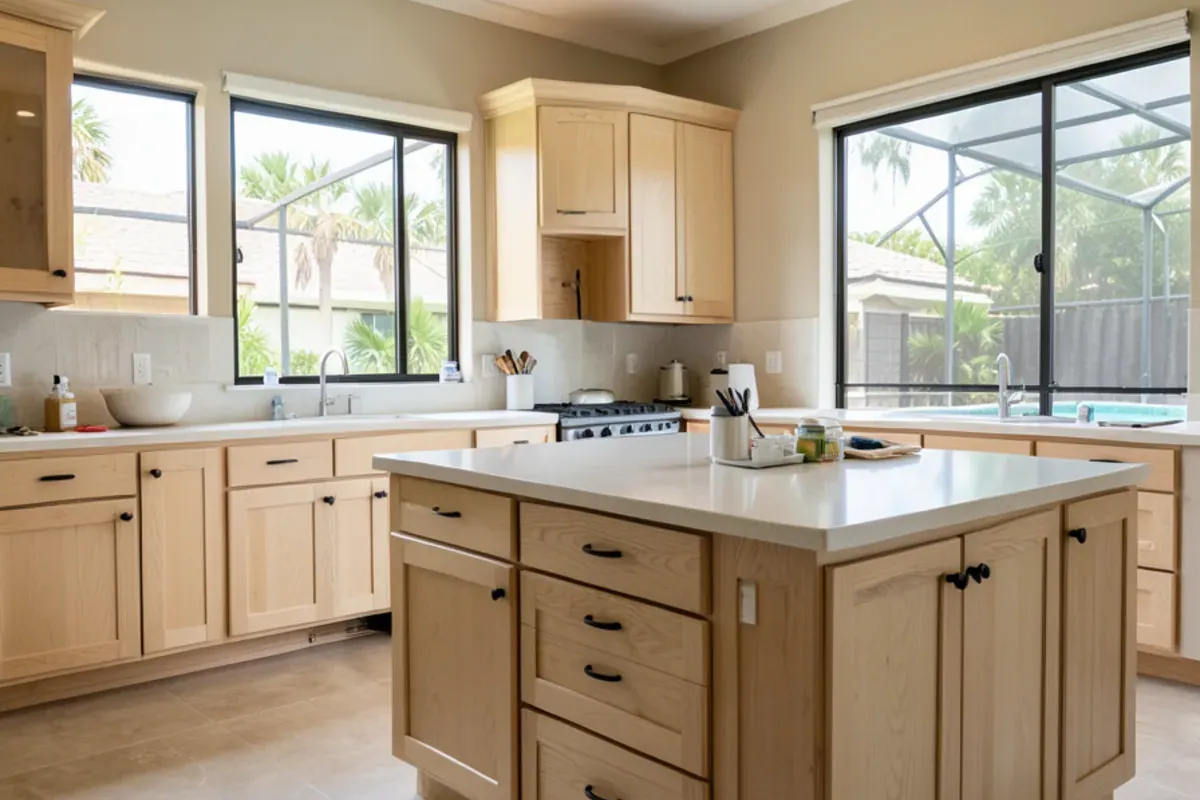
To see what goes into a set of custom kitchen cabinets, from door styles to drawer construction, start there. The custom cabinetry overview covers baths, laundry rooms and built-ins, and our breakdown of custom cabinet cost in Sarasota explains what moves the price.
The bottom line
Stock, semi-custom and custom are less a quality ladder than three answers to one question: who controls the dimensions and materials. If your room is simple and your timeline short, catalog cabinets may suit it. If the room is awkward, the house deserves matching, or you want boxes that hold up in Florida air, custom earns its keep. To have your kitchen measured and drawn, call or drop us a line on the contact page.