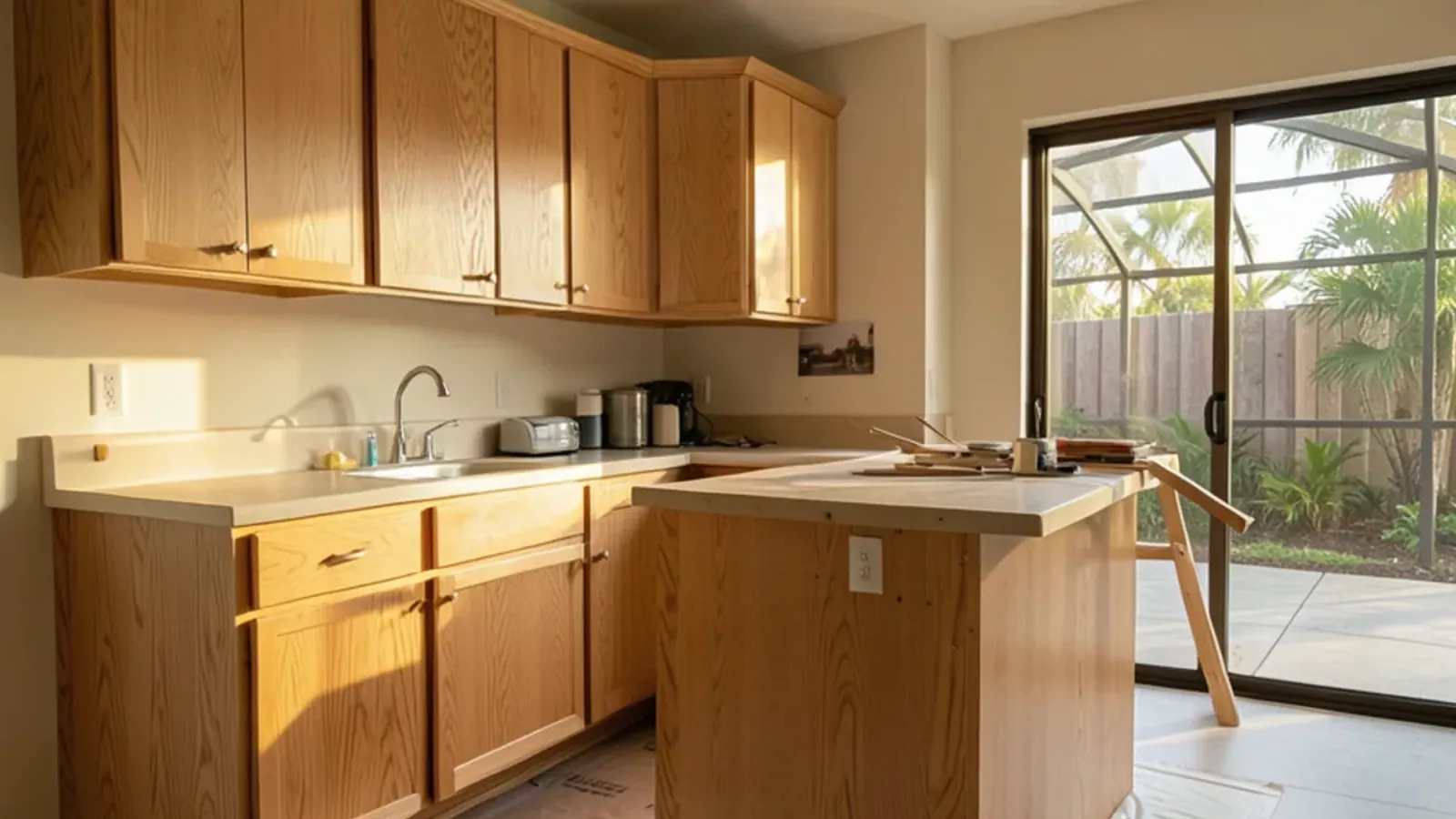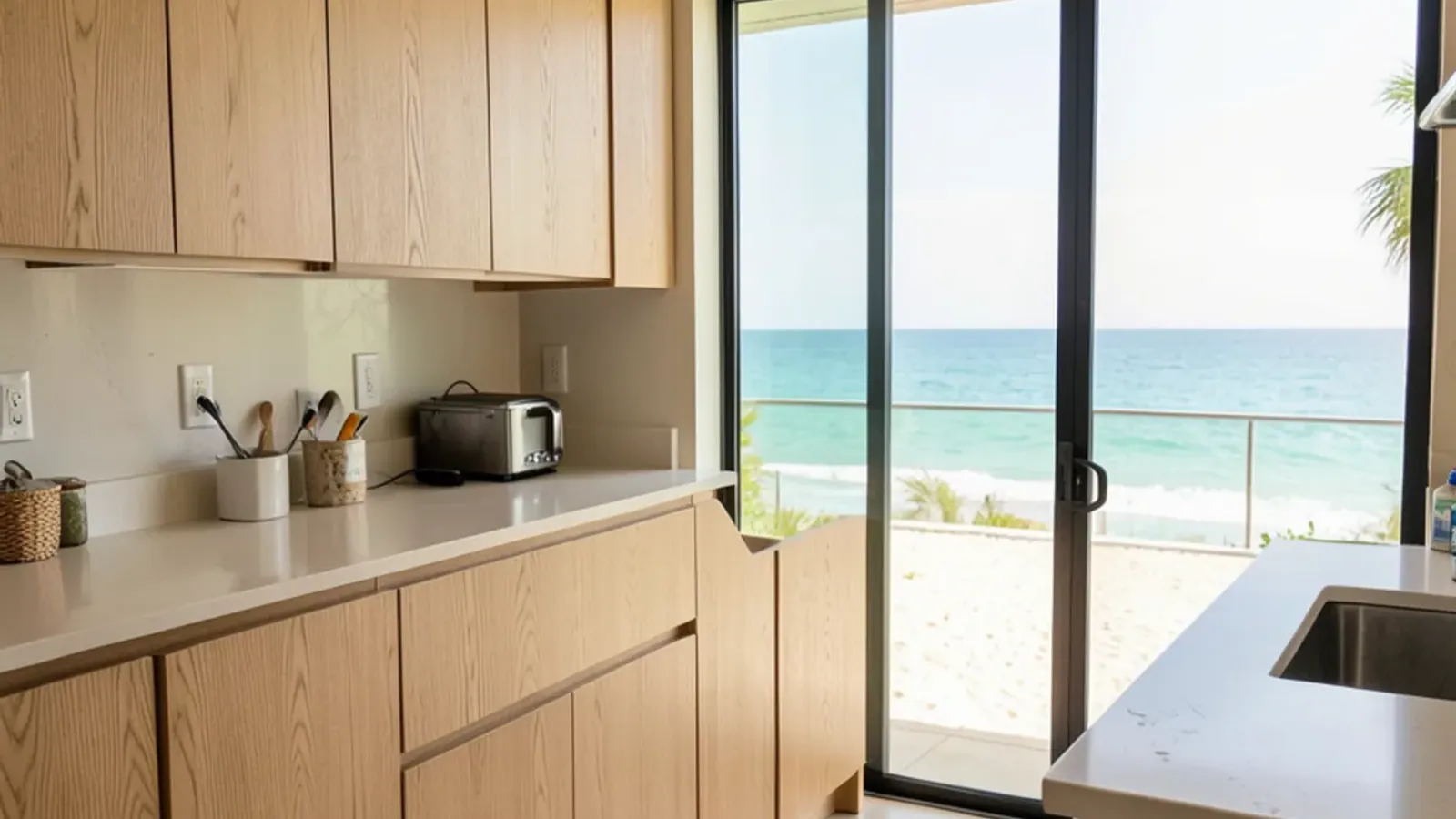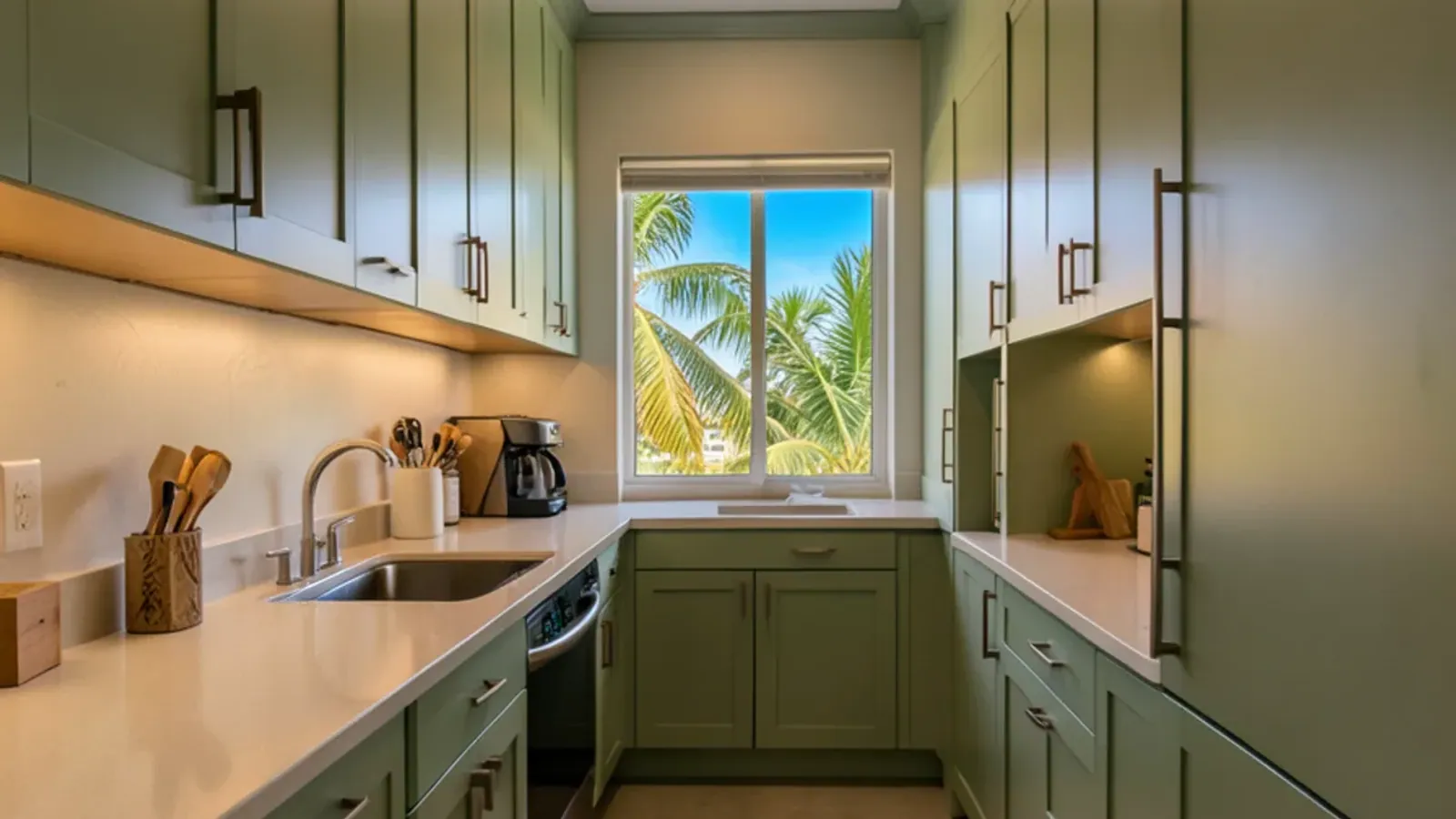
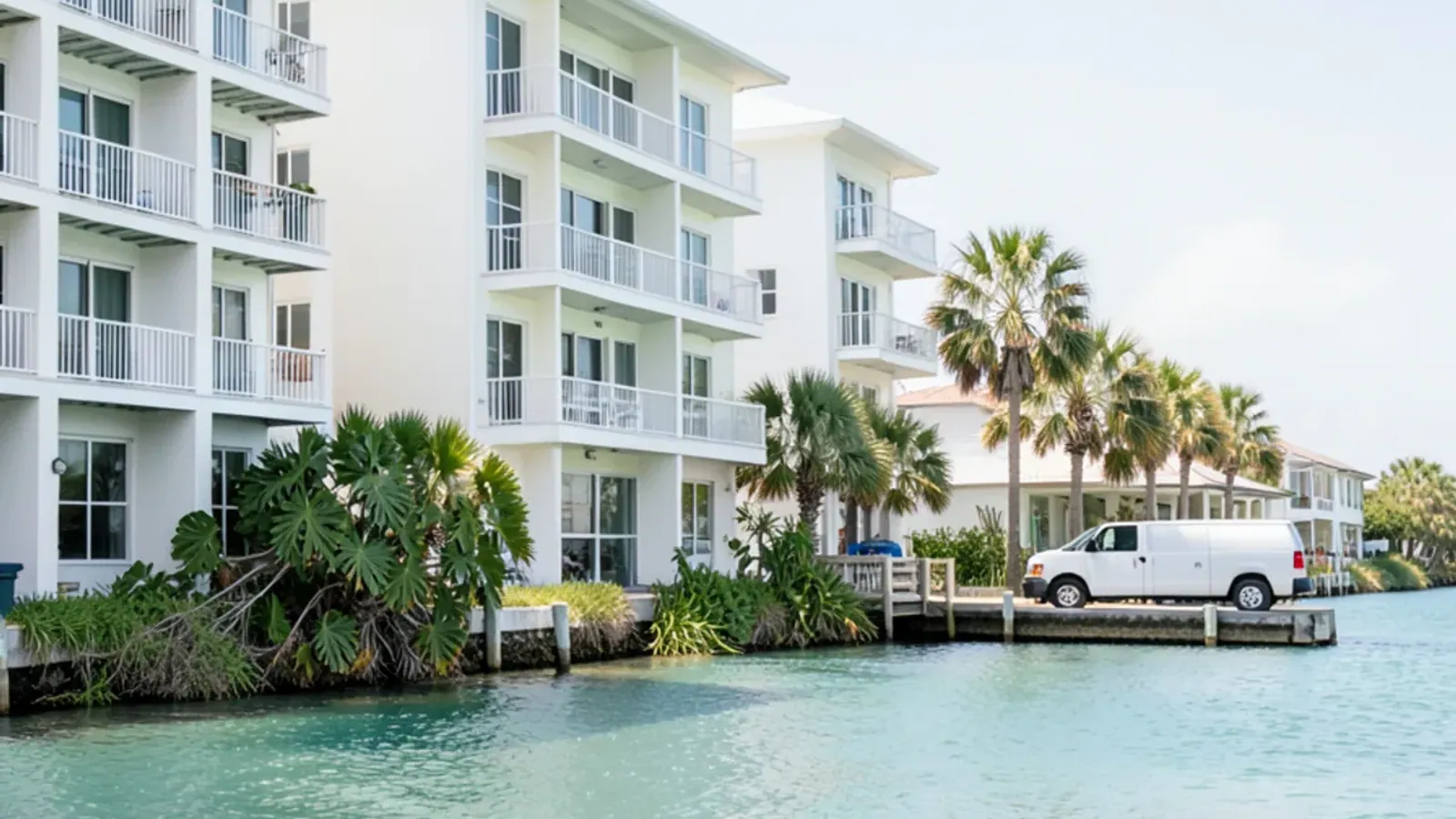
A Longboat Key condo remodel answers to two authorities: the association that governs your building, and the Town of Longboat Key's building department whenever the work needs a permit. Boards commonly ask for a written alteration application, certificates of insurance from every contractor, set work hours and reserved elevator time, and the specifics live in your own declaration and rules.
Read those documents before you finalize a design, because they can limit what you build as much as the room does. We plan condo kitchen remodeling projects on the island around these rules, and the outline below describes what is typical, not what any particular building requires.
What Do Longboat Key Condo Boards Typically Require?
Requirements vary from a small low-rise to a large Gulf-front tower, but most kitchen applications touch the same subjects.
- An alteration or renovation application with a written scope, drawings and a start and finish window.
- A contractor list naming each company working in the unit, with license numbers for licensed trades such as the plumber and electrician.
- Certificates of insurance for general liability and workers' compensation, often listing the association as a certificate holder.
- A refundable deposit in some buildings, held against damage to elevators, corridors or the lobby.
- Work hours and days, commonly weekday daytime only, with quiet hours and holiday blackouts.
- Elevator reservations and padding for every delivery and debris trip.
- Parking and loading rules for work vans, which may be limited to a service area.
- Flooring and sound rules, since a kitchen remodel that replaces tile may need an approved underlayment to protect the unit below.
Where Do Condo Remodel Rules Come From?
Florida condominiums operate under Chapter 718 of the Florida Statutes, and each building's declaration, bylaws and rules sit on top of that. The declaration defines which parts belong to you and which are common elements, and that line matters in a kitchen. Cabinets, counters and appliances are almost always yours. Structural walls, the slab and shared plumbing risers often are not.
Section 718.113 of the statute governs material alterations and substantial additions to common elements, and it lets the declaration require board or owner approval before such work starts. So a remodel that only replaces cabinets is usually a matter of the rules and the manager, while one that cores the slab, ties into a riser or opens a wall can trigger a formal approval process. When in doubt, ask the manager in writing.
Who Insures the New Kitchen After It Is Installed?
Owners on the island are often surprised to learn that the building's insurance stops at the bare walls. Section 718.111(11)(f) of the Florida Statutes excludes from the association's property policy the unit's floor, wall and ceiling coverings, electrical fixtures, appliances, water heaters, water filters, built-in cabinets, countertops and window treatments. Those items are the unit owner's to insure.
That means a new custom kitchen raises the value your own condo policy needs to cover. Call your agent before the install date rather than after, and give them a realistic replacement figure based on the written estimate, not on what the old laminate kitchen was worth. On a Gulf-front key where storm claims are part of life, this is the step owners most often skip.
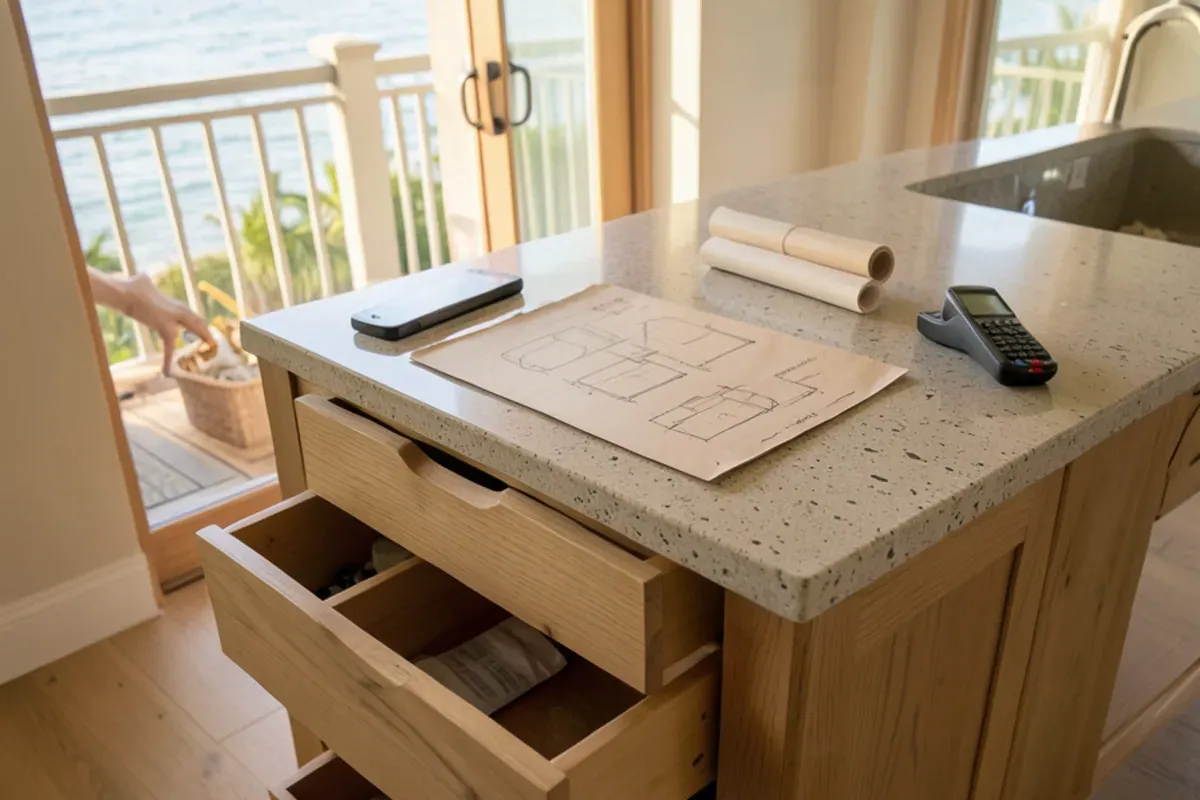
- The final invoice, with cabinet construction, wood species and finish written out.
- The working drawings and 3D model, which describe exactly what would need rebuilding.
- Photos of the finished kitchen with doors and drawers open, so box and drawer construction is on record.
- Appliance model and serial numbers, plus the countertop material and the fabricator's details.
- The association approval letter and any permit, filed with your other unit records.
How Does the Town's Building Department Fit In?
Longboat Key straddles Manatee and Sarasota counties, yet one town building department handles permits for the whole island from the town offices on Bay Isles Road. The Planning, Zoning and Building Department moved its permitting to an online portal in April 2025 and reviews plans, runs inspections and verifies contractor licenses.
A permit is the town's question; approval is the board's. Licensed trades pull permits for relocated plumbing, new circuits or wall changes, and the association typically wants a copy of that permit before work begins. After Hurricanes Helene and Milton in 2024, the town posted special rules for storm repairs, so check the current notices if your kitchen work is storm-related.
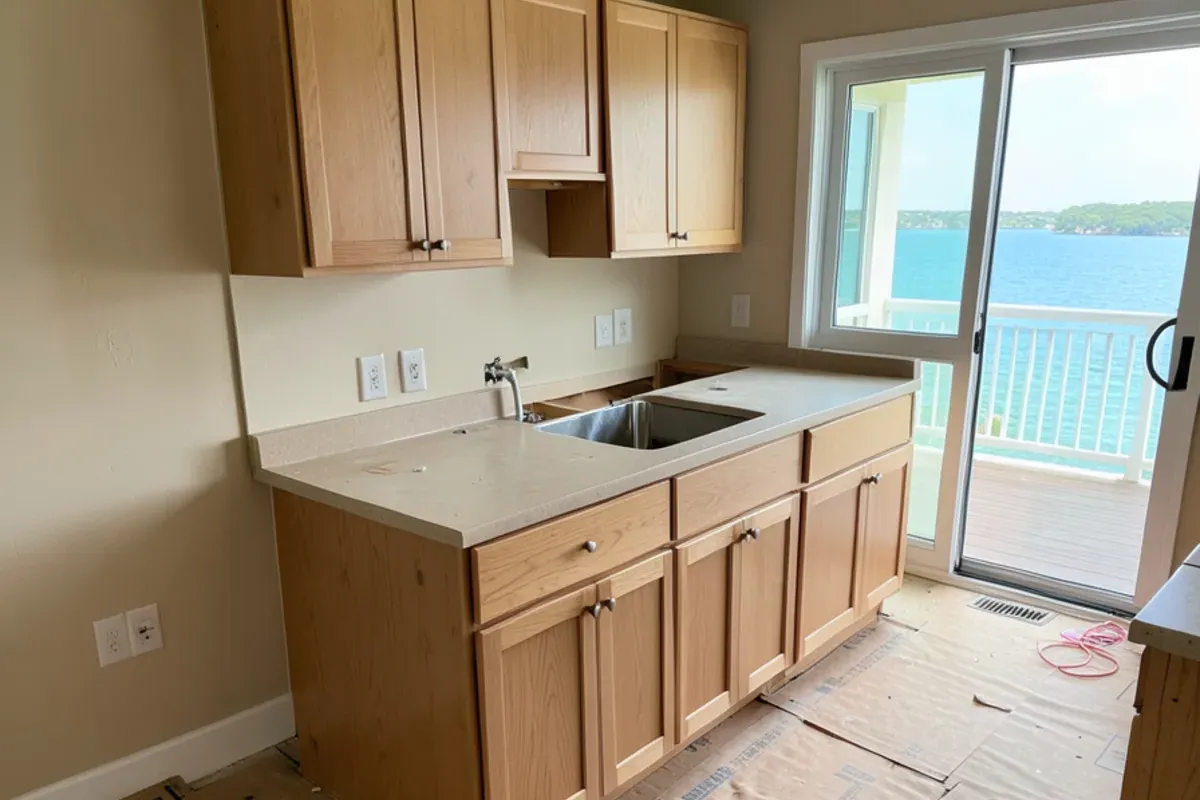
A Typical Longboat Key Condo Remodel Sequence
Read the documents
Pull the declaration, rules and any contractor handbook; note work hours, deposit and approval timelines.
Measure the unit and the elevator
We measure the kitchen and the service elevator so cabinet sizes fit both.
Drawings and 3D model
Working drawings show every change; the model helps the board see exactly what is planned.
Board application
Submit the application, drawings, contractor list and insurance certificates as one package.
Permits where needed
Licensed trades apply to the town for any plumbing, electrical or structural work.
Shop build
Our Sarasota shop builds the cabinets as the approvals come through.
Install inside the rules
Delivery uses reserved elevator windows; noisy work stays within permitted hours; corridors are protected daily.
Close-out
Final inspection where a permit applies, then the association's walkthrough and deposit release.

When Is the Right Time to Remodel on the Key?
Many buildings discourage or pause construction during the winter season, when units are full, and some close for major holidays. Summer and early fall are open to work but overlap hurricane season, when trades and elevators may be reserved for storm repairs. A spring application with installation in late spring or early summer suits many owners who leave for the hot months.
NOAA's National Hurricane Center dates the Atlantic season from June 1 to November 30, with most activity between mid-August and mid-October. That window shapes the calendar on a barrier island more than anywhere inland.
- December through April: buildings are full and many restrict loud work. Use these months to measure, approve the 3D model and get the board package in.
- May and June: a common install window, before owners leave and before storm repairs compete for trades and elevator time.
- July through October: work is often allowed, but a storm warning can shut the building, and boards may require balconies and corridors cleared. Finished cabinets are safer on a shop floor than stacked in an empty unit, so delivery waits until the crew can set them on arrival.
- November: the season closes and owners start returning, so an application filed late in the month can run into the winter pause.
Owners with a second unit on Siesta Key will find similar association rules there, though permits run through Sarasota County rather than a town department. On Longboat Key itself, the building's own calendar usually sets the pace more than the cabinet build does. For a full picture of design options, see our guide to kitchen remodeling in Sarasota.
The bottom line
Condo rules on the key are rarely a reason not to remodel; they are a reason to plan. If you own a unit on Longboat Key and want a kitchen drawn and scheduled around your building's requirements, call us or contact us through the website and we will arrange a measure.
Sources
- Florida Senate — Florida Statutes § 718.113, Maintenance; limitation upon improvement
- Town of Longboat Key — Planning, Zoning & Building
- Town of Longboat Key — Online Permit Search
- Town of Longboat Key — Post Hurricane Helene & Milton Building Permitting Information
- Florida Senate — Florida Statutes § 718.111 (2025), The association: insurance (11)(f) and official records (12)
- NOAA National Hurricane Center — Tropical Cyclone Climatology