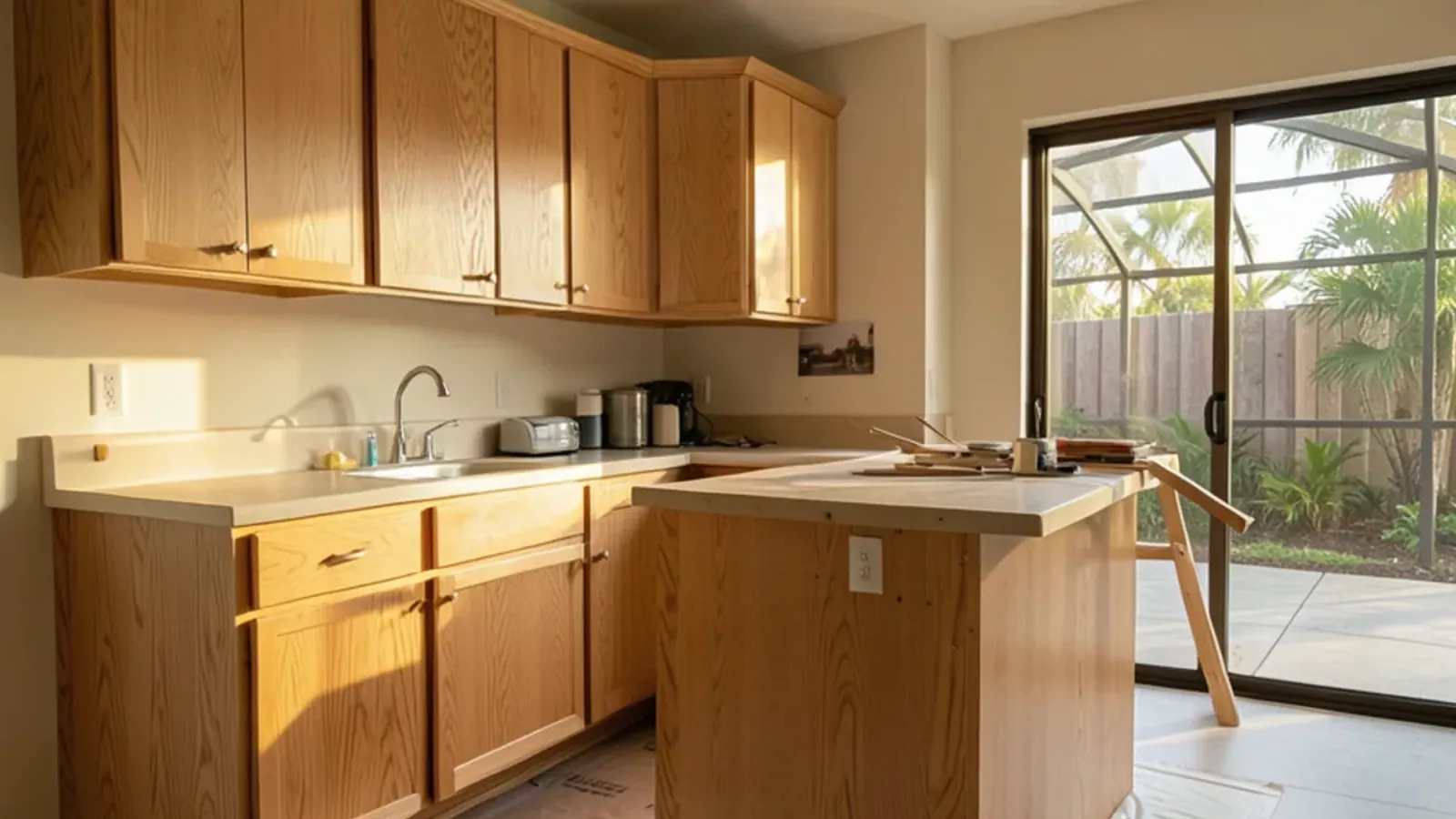
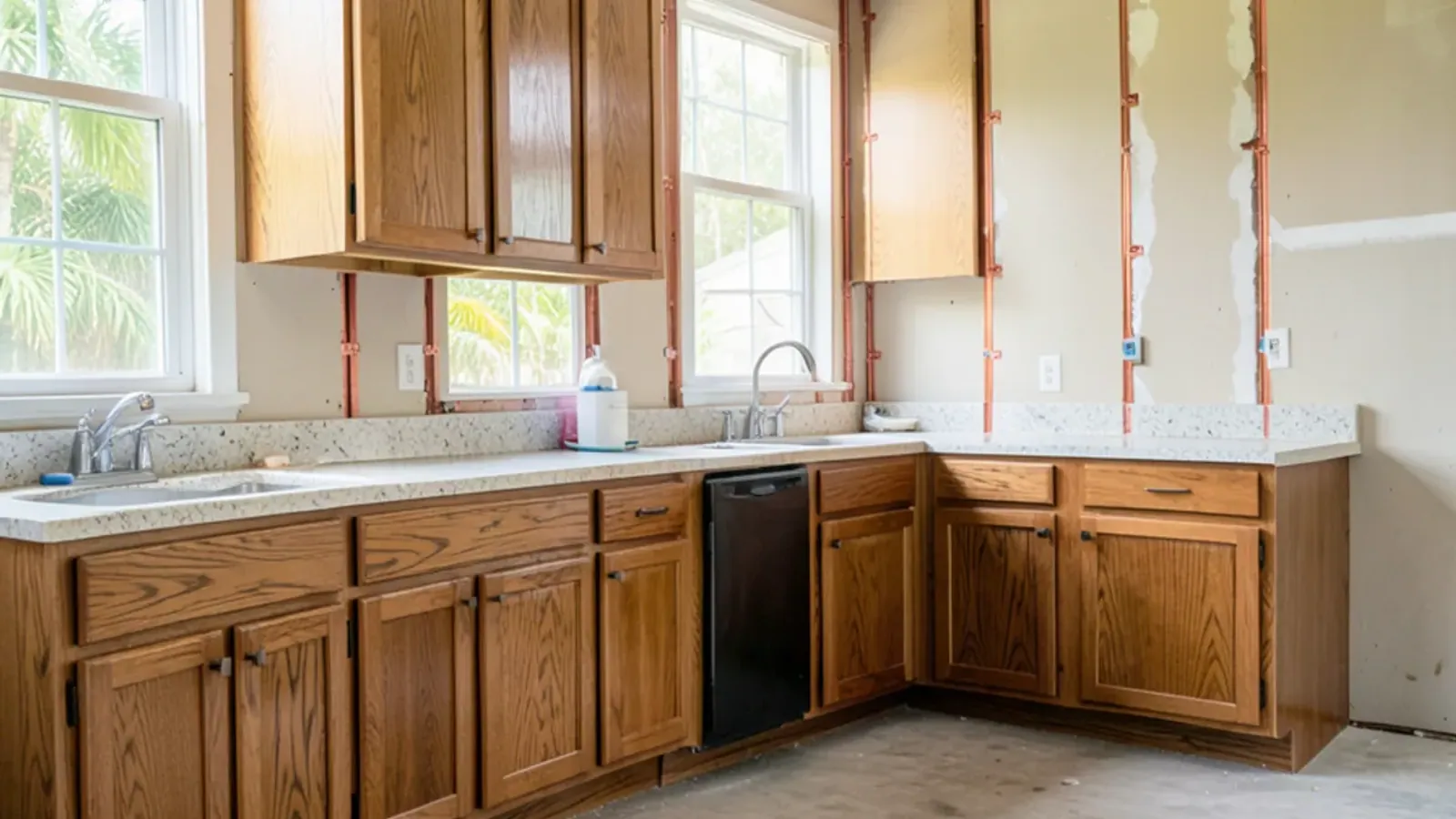
In the kitchen remodeler vs cabinet maker question, the short answer is scope. A cabinet maker designs, builds and installs the cabinetry; work that moves walls, plumbing, wiring, gas or ductwork must be done by Florida-licensed contractors under Chapter 489 of the Florida Statutes, with permits. Many kitchens need both.
We should be clear about which side we are on. SRQ Woodworks Co. is a custom cabinet shop on Lewis Ave in Sarasota: we draw your kitchen, let you walk through it as a 3D model, build it in our shop and install it. We are not a general contractor, and we do not pull plumbing, electrical or building permits. This guide explains who does what, and how homeowners put a team together.
What a cabinet maker does, and what it leaves to others
The term "kitchen remodeler" is loose. It can mean a design-build firm, a licensed general contractor, or a cabinet shop like ours that handles design, custom cabinetry and installation. The useful question is not the label but who will physically do each piece of work.
Our part of the job
- Measuring the room and planning the layout with you
- Working drawings and a 3D rendering you approve ahead of production
- Building cabinets, islands and pantry units in our shop from solid hardwoods
- Installing the cabinetry, trim and panels on site
- Coordinating stone templating with a fabricator once cabinets are set, or building wood tops ourselves
Work for licensed trades
- Removing or moving walls, especially load-bearing ones
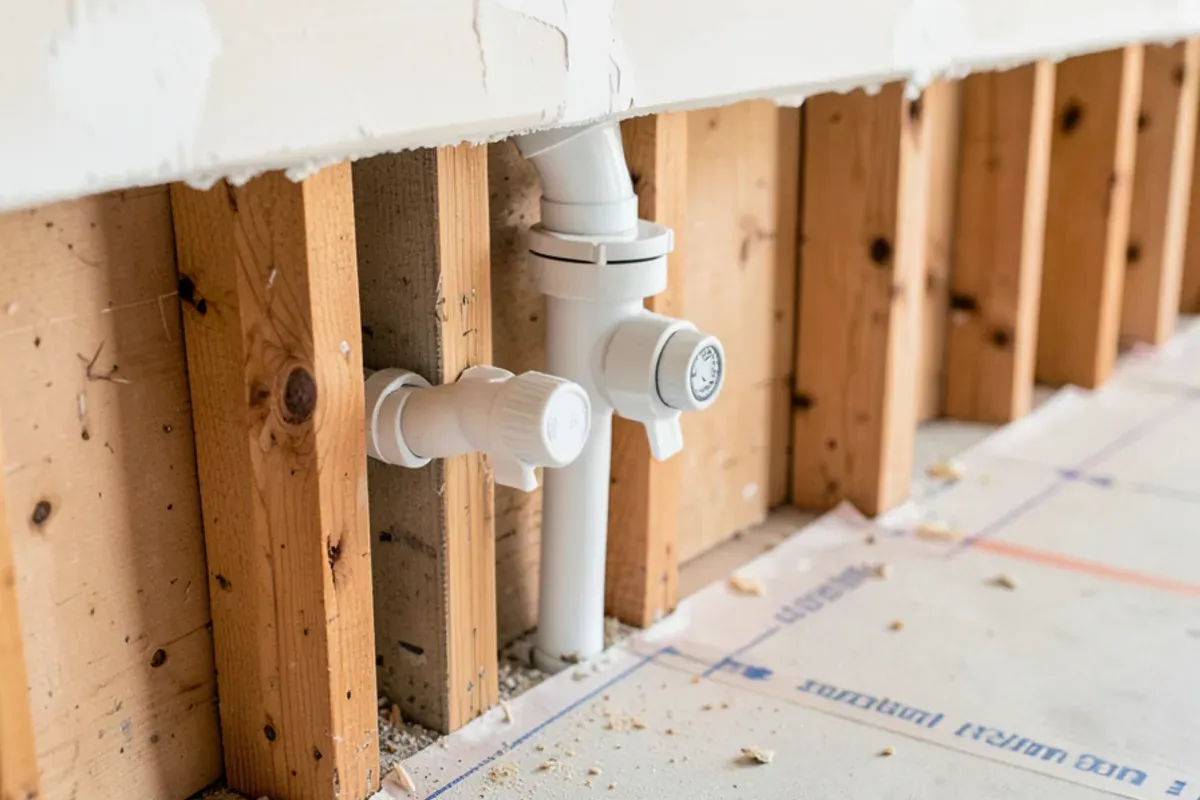
- Relocating sinks, dishwashers and drain or supply lines
- New circuits, outlets, lighting and appliance wiring
- Gas lines for ranges and cooktops; hood ducting and makeup air
What does Florida law say about who does the rest?
Section 489.105 of the Florida Statutes defines a contractor as someone who, for compensation, performs construction, repair, alteration or remodeling of buildings for others, and it sets out classes. A general contractor's scope is unlimited as to type of work. A building contractor is limited to buildings of up to three stories, though it may remodel larger ones when structural members are not affected, and a residential contractor works on one- to three-family homes. Plumbing and mechanical contractors, the latter covering gas and fuel lines, have their own definitions, and electrical contractors are regulated under Part II of the chapter (section 489.505).
Two exemptions in section 489.103 come up often. The minor-work exemption covers casual jobs under $2,500 in total, but it does not apply when the work is part of a larger project or split up to stay under the limit. The owner-builder exemption lets owners act as their own contractor on their own home, provided they personally supervise the work, do not sell or lease it within a year, and sign the permit application and disclosure statement themselves.
You can look up any contractor's license on the Florida DBPR license search before you sign anything; confirm the license is active and in the right category for the work.
Three common ways to staff a kitchen project
| Approach | Who leads | Who pulls permits | Fits when |
|---|---|---|---|
| Cabinet maker plus licensed trades you hire | You, with the cabinet maker's drawings as the plan | Each licensed trade for its own work | Layout mostly stays; a plumber and electrician handle small moves |
| Licensed general contractor leads | The GC, who schedules everyone | The GC and its licensed trades | Walls move, structure changes, or many trades overlap |
| Owner-builder | You, supervising personally | You, after signing the owner-builder disclosure | You have time, experience and the patience for inspections |
We work comfortably inside all three. On a GC-led job we are the cabinet maker on their schedule. On a cabinet-led job, our drawings become the shared reference for the plumber and electrician you hire.
Who pulls the permits, and when?
The licensed contractor responsible for regulated work applies for the permit covering it, or the owner does under the owner-builder exemption. Which office takes the application depends on the address: the City of Sarasota and the City of Bradenton run their own building departments, while unincorporated areas go through Sarasota County or Manatee County. Homes in Sarasota and Bradenton proper usually deal with the city, not the county.
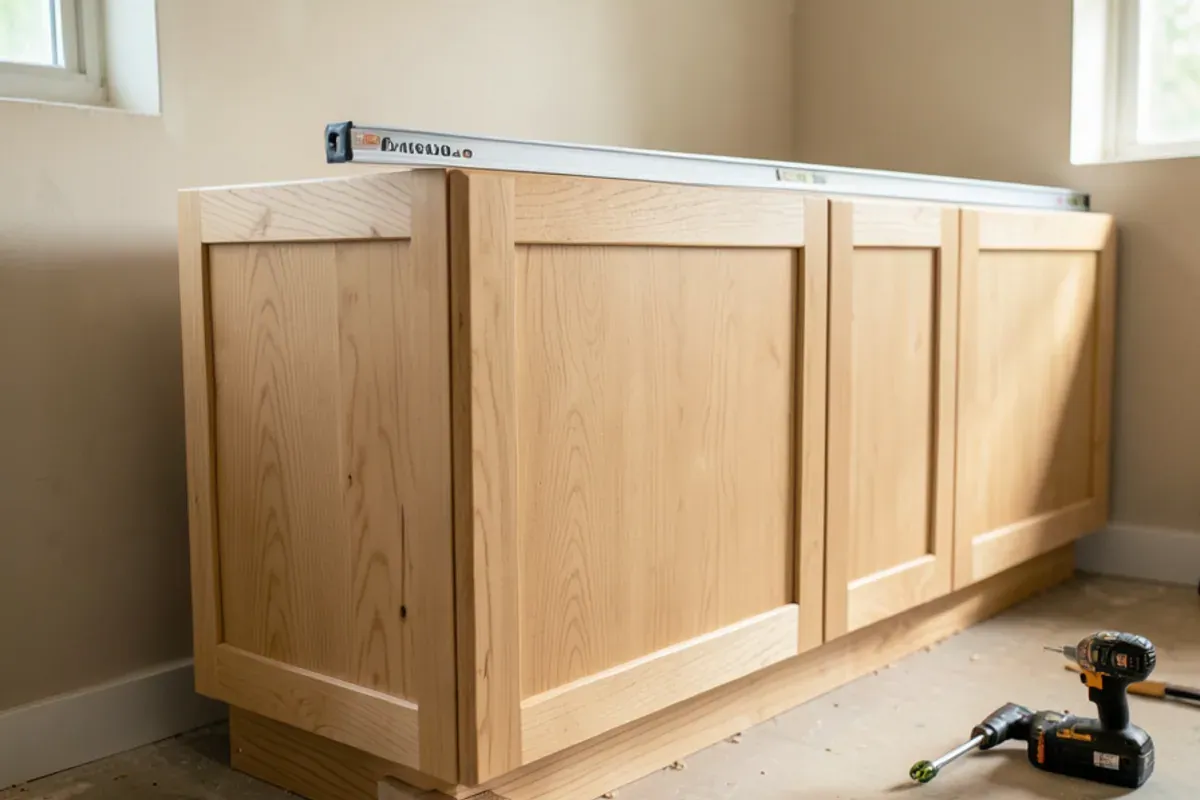
On a job that moves plumbing or wiring, the order usually runs like this. Our guide to kitchen remodel permits in Sarasota County covers which office handles each address.
Drawings approved
The layout and cabinet drawings are final, so the trades price and permit from fixed locations.
Trade permits issued
Each licensed contractor, or the owner-builder, applies to the city or county office for the address.
Rough-in and inspection
Pipes, wires, gas and ducts go in, and the inspector signs off while walls are open.
Walls closed, cabinets set
Drywall goes up, then we install and level the cabinetry around the rough-in.
Tops, trim-out and finals
Stone is templated and set, the trades connect fixtures and devices, and their final inspections close the permits.
Why does the license matter once the work is done?
Florida backs the license classes in section 489.105 with consequences. Under section 489.128, a contract entered into by an unlicensed contractor is unenforceable in law or in equity by that contractor, and an individual counts as unlicensed when they lack the license the statute requires for the scope of the work. Section 489.127 makes contracting without a certificate or registration a first-degree misdemeanor, rising to a third-degree felony during a state of emergency declared by the Governor, the kind of declaration that followed Hurricanes Helene and Milton in 2024.
Section 489.1425 adds a consumer notice. A contract to repair, restore, improve or build residential real property must include a written statement about the Florida Homeowners' Construction Recovery Fund, unless labor and materials total $2,500 or less. Read that notice when it appears, and ask about it when a larger contract leaves it out.
Statewide certificate or local registration?
The DBPR record also shows how a license was issued. A contractor holding a state certificate of competency may contract in any Florida jurisdiction. A registered contractor qualified through a local competency license and may contract only where that registration applies, so a registered trade from another county may not be able to work at your Sarasota or Bradenton address.
Kitchen remodeler vs cabinet maker: questions to ask before you sign
- Who will do the demolition, plumbing, electrical and gas work, by name and license number?
- Which permits does this job need, and who will apply for each one?
- Where are the cabinets built, and from what materials?
- Will I see drawings and a 3D model before production starts?
- Who coordinates the countertop fabricator, and when does templating happen?
- If a trade falls behind, who adjusts the schedule?
- Is each license a statewide certificate or a local registration, and does it cover my city or county?
- Does the contract include the Homeowners' Construction Recovery Fund notice?

Clear answers to those questions matter more than the title on the business card. For the cabinet portion, our kitchen cabinet installation page explains how we set and scribe cabinets on site.
The bottom line
A good kitchen comes from the right people doing the right parts: a cabinet maker for design and cabinetry, and licensed contractors for the work Florida law reserves to them. If you are sorting out who should do what on your project, call our shop or contact us, and we will walk through your plans and how our part of kitchen remodeling in Sarasota fits with yours.
Sources
- Florida Statutes — Section 489.105, Definitions
- Florida Statutes — Section 489.103, Exemptions
- Florida Statutes — Section 489.505, Definitions (electrical and alarm system contracting)
- Florida DBPR — License Search
- Florida Statutes (2025) — Section 489.128, Contracts entered into by unlicensed contractors unenforceable
- Florida Statutes (2025) — Section 489.127, Prohibitions; penalties
- Florida Statutes (2025) — Section 489.1425, Duty of contractor to notify residential property owner of recovery fund