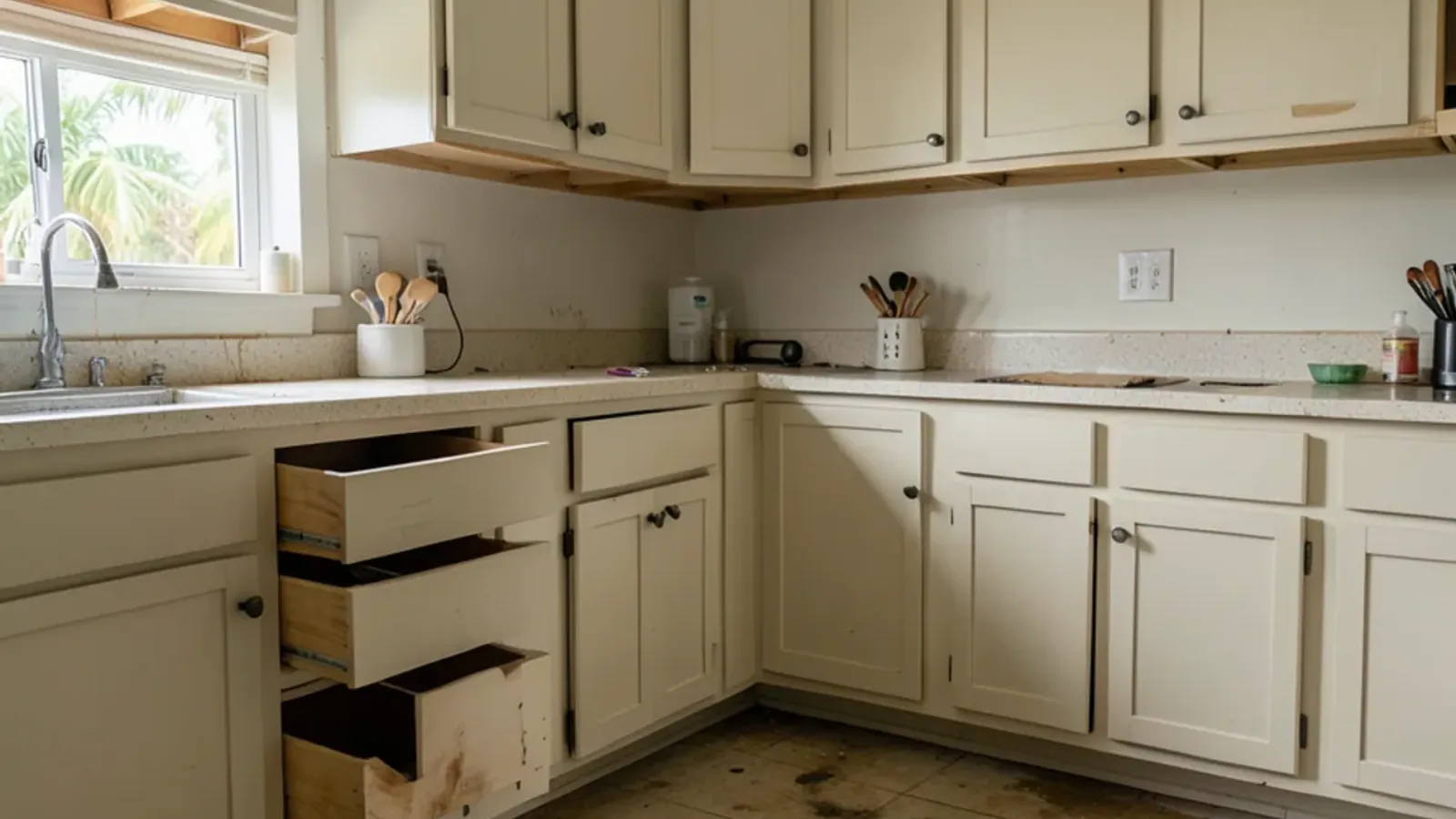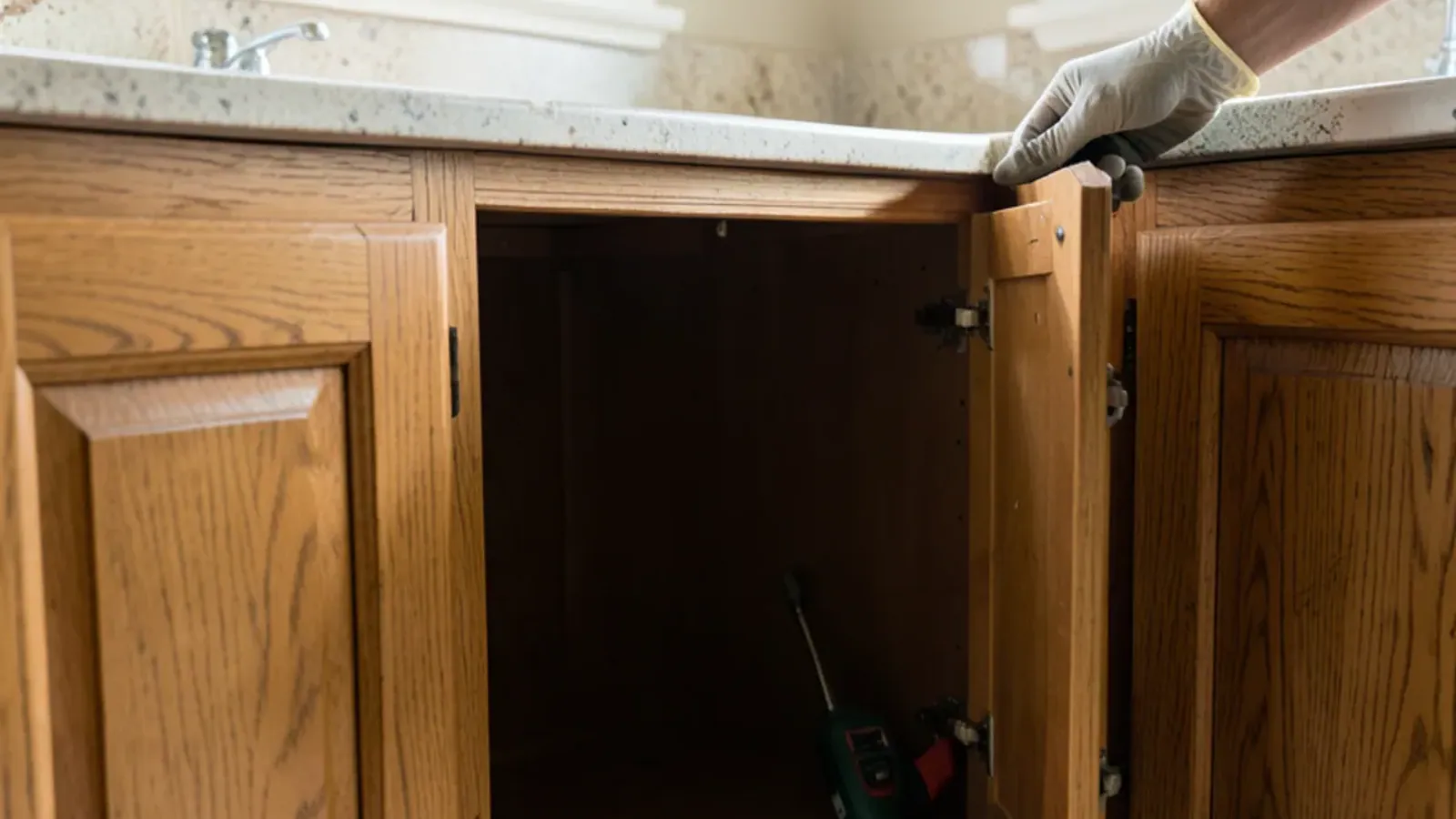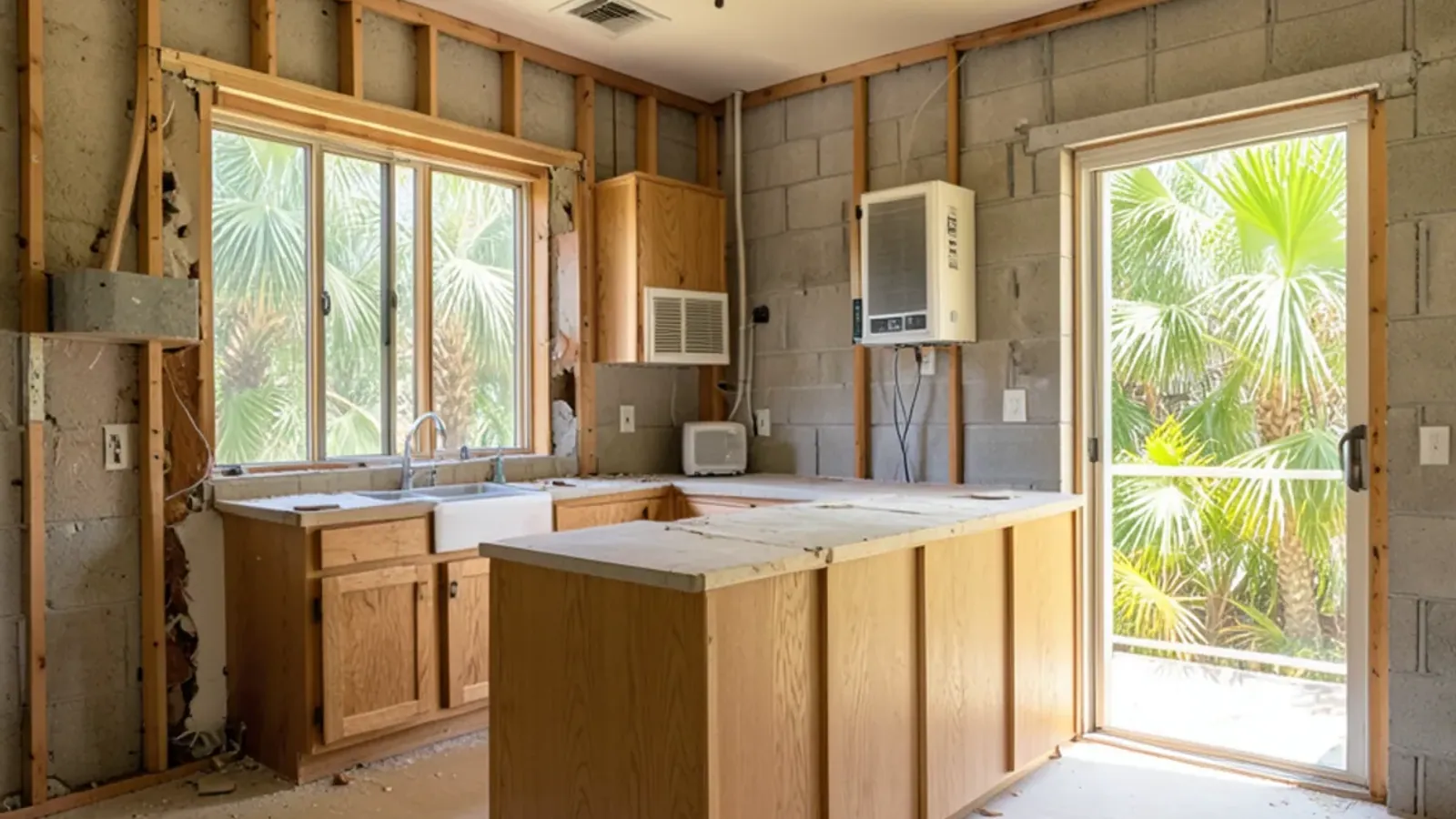

Does insurance cover water damaged cabinets? It depends on the source of the water and the policy you hold. Flood from rising water or storm surge is generally excluded from homeowners policies and handled by a separate flood policy, while sudden, accidental leaks inside the house are often a homeowners matter and slow, long-running leaks frequently are not.
That separate flood policy may come through the National Flood Insurance Program, which FEMA runs, or from a private flood insurer.
We are a cabinet shop, not an insurance agency, so treat this as background for a conversation with your agent or adjuster rather than coverage advice. Your own policy language controls. What we can offer is a clear picture of the categories insurers use, the Florida deadlines worth knowing, and the cabinet documentation that helps any claim.
Start with one question: where did the water come from?
Insurers sort water losses by cause before they look at the damage. The same swollen base cabinet can be treated three different ways depending on whether it was soaked by storm surge, a burst dishwasher hose or a drip that went on for a year.
| Water source | Policy type usually involved | Questions to ask |
|---|---|---|
| Storm surge, rising water, overflowing canal | Flood policy (NFIP or private flood) | Is there a flood policy, and what are its building limits? |
| Burst supply line or appliance hose | Homeowners policy, often as sudden and accidental discharge | Are there water-damage sublimits or exclusions? |
| Slow leak under a sink over months | Often excluded as repeated seepage or wear | Does the policy define how long a leak can run? |
| Rain through a roof or window opened by wind | Homeowners or windstorm coverage, depending on policy wording | Does the policy require a wind-created opening? |
| Mold following any of the above | Often limited or excluded | Is there a mold sublimit, and what triggers it? |
Flood policies versus homeowners policies
FEMA's FloodSmart program states plainly that most homeowners policies do not cover flood. Flood coverage comes from a separate policy, and NFIP policies typically take 30 days to go into effect after purchase, with a few exceptions such as coverage required at a mortgage closing.
Under the NFIP, built-in cabinets fall under building coverage, alongside permanently installed fixtures, and residential building coverage is available up to $250,000. One detail surprises many kitchen owners: NFIP guidance indicates that cabinets not damaged by floodwater are not covered just because they match damaged ones. If surge ruined your lowers but not your uppers, the flood policy is generally looking at the lowers.
Homeowners policies are written by private carriers and vary more. Many cover sudden, accidental water discharge from plumbing or appliances, then exclude or limit damage from continuous or repeated seepage. Whether matching undamaged cabinets is part of a homeowners settlement depends on the policy and the circumstances, so ask your adjuster directly.
How Florida's hurricane deductible works
Section 627.701, Florida Statutes, requires insurers to offer hurricane deductibles of $500, 2 percent, 5 percent and 10 percent of the dwelling limit, with some exceptions. The percentage options are where kitchen owners get surprised: 2 percent of a $400,000 dwelling limit is $8,000 that comes off the hurricane portion of a claim before the policy pays.
The same statute applies the hurricane deductible on a calendar-year basis with the same insurer, not storm by storm. That mattered in 2024, when Helene's surge and then Milton hit this coast about two weeks apart: for a second hurricane in one year, the insurer may apply the greater of the unused annual hurricane deductible or the policy's regular deductible. Insurers may also ask you to report hurricane losses that fall below the deductible so they count toward a later claim.
What about wind-driven rain and slow leaks?
Wind-driven rain is the gray area after a hurricane. Some policies cover rain damage only when wind first creates an opening in the roof or walls; others handle it differently or through a separate windstorm policy. On canal homes in Punta Gorda and along Lemon Bay in Englewood, a single storm can deliver surge, wind and rain at once, and adjusters may split one kitchen into flood and wind portions.
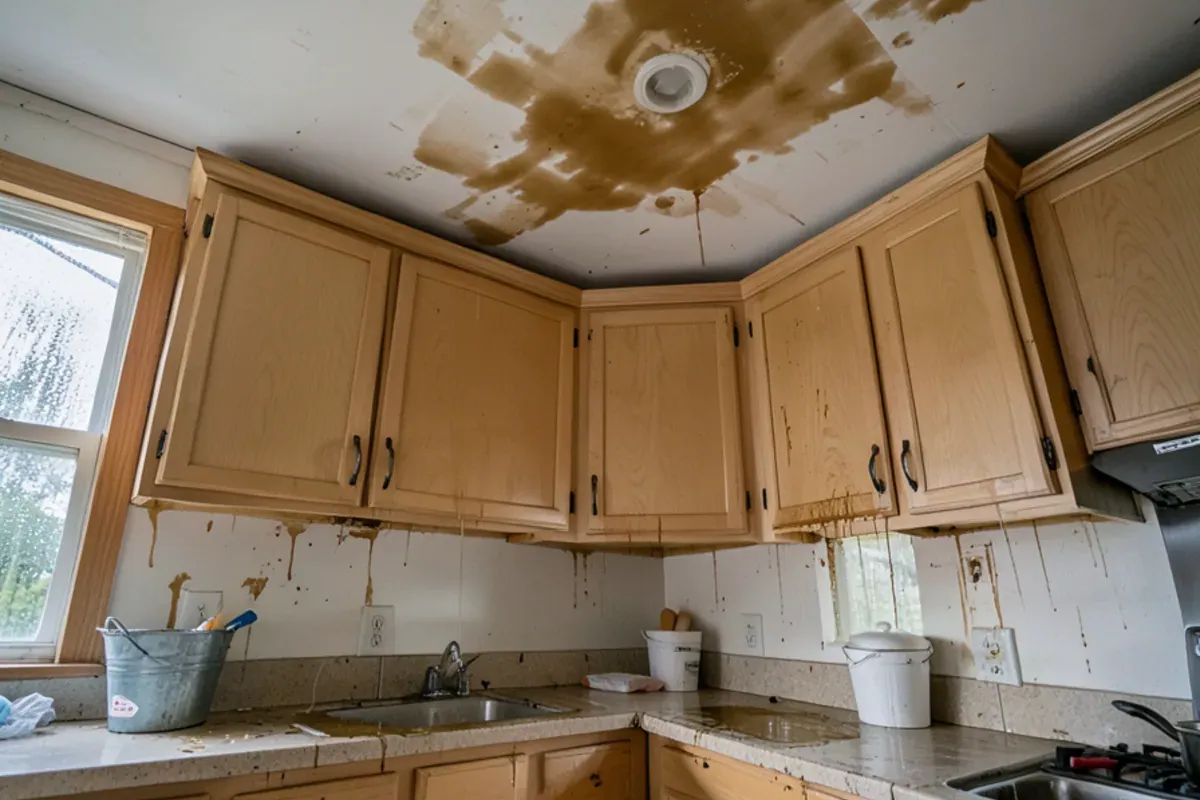
Slow leaks are the other common dispute. A sink base that rotted over many months may be treated as wear or neglect rather than a sudden event. Fixing leaks promptly is good for your cabinets and may matter to your claim as well.
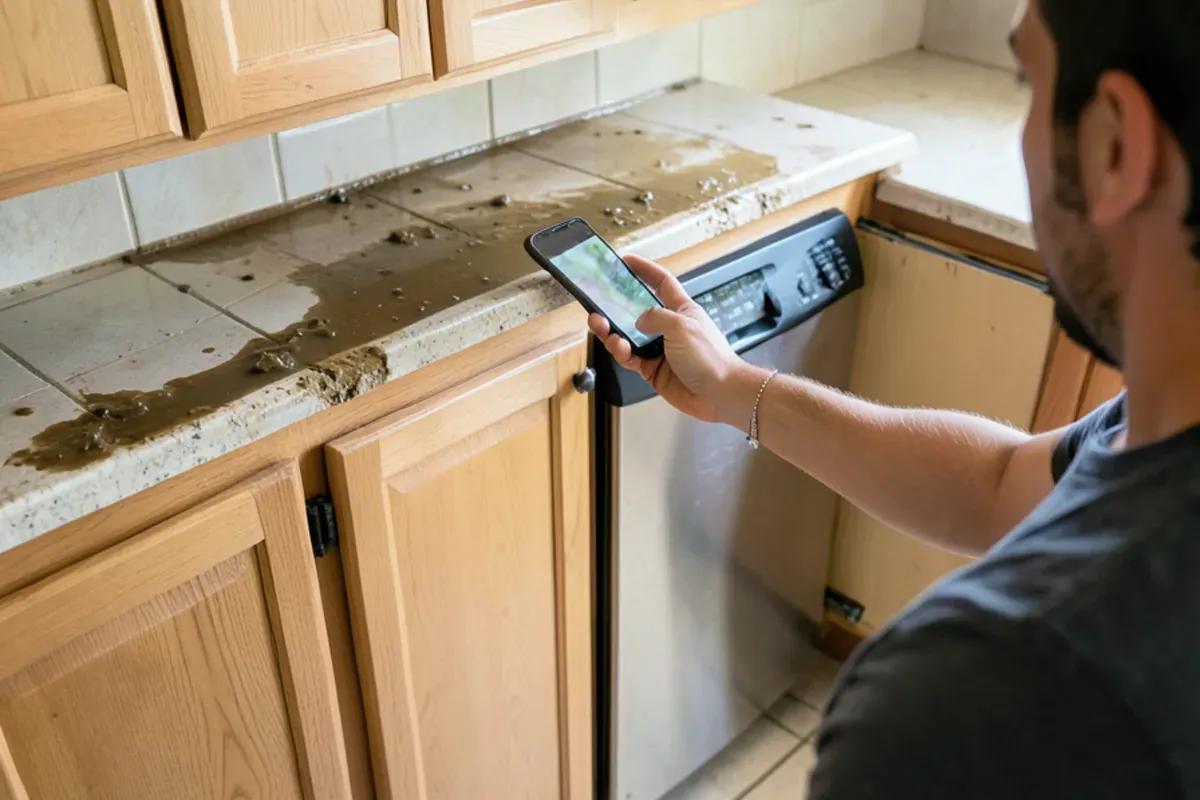
When you do find a slow leak, the order of work protects both the cabinet and the claim: have a licensed plumber stop it, photograph the soaked cabinet floor and the failed connection before anything is repaired, and keep the plumber's invoice describing what broke. That invoice is often the clearest record of the leak's cause.
Florida deadlines and paperwork to keep
Florida's Department of Financial Services explains that, under current state law, initial and reopened property claims must be reported within one year of the date of loss, and supplemental claims within 18 months. For hurricanes, the clock is tied to landfall. NFIP claims run on their own track: FloodSmart says the signed proof of loss is generally due within 60 days of the flood unless your insurer sets or FEMA approves a different timeframe.
- Photos and video of every cabinet before removal, including the waterline and the inside of each box
- A labeled offcut from a damaged door or box side, since both DFS and FloodSmart advise keeping damaged items or samples when practical
- Receipts for emergency drying, tarping and cleanup
- Notes on every call with the insurer: date, name and what was said
- Your declarations page, which shows the hurricane deductible and any flood policy limits
If you are unsure how a claim is being handled, DFS runs a consumer helpline and mediation programs for residential property claims, which are worth looking into before a dispute hardens.
Read anything that asks you to sign over your benefits
Florida no longer allows homeowners to assign post-loss benefits under residential property policies issued on or after January 1, 2023. Section 627.7152 calls such an assignment void and unenforceable. If a restoration company or contractor hands you a form that would have the insurer pay them in your place, read it closely and ask your agent before signing; you remain the person handling your claim.
What can a cabinet shop give your adjuster?
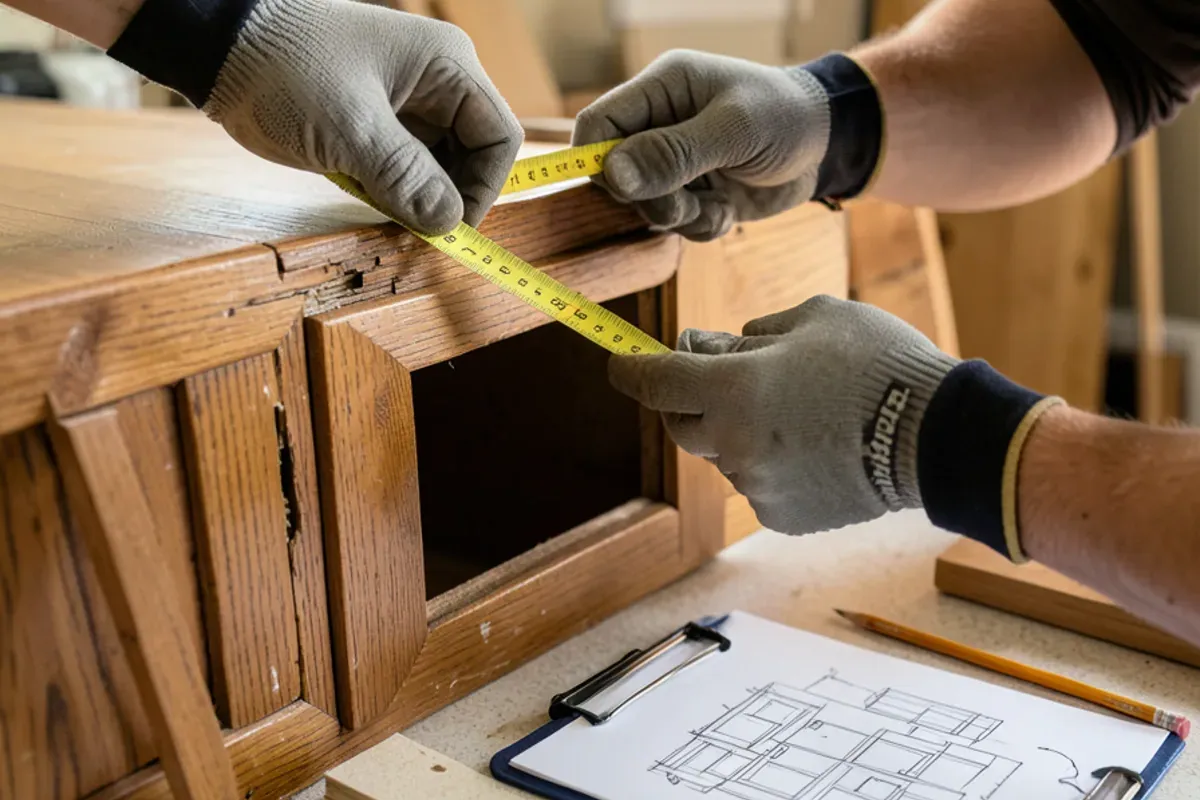
Adjusters price cabinets from line items, and vague estimates slow everything down. A cabinet maker can describe exactly what was lost and what it takes to replace it like for like.
Our flood-damaged cabinet replacement page explains how lower runs are rebuilt to match surviving uppers, and the storm-damaged kitchen repair overview covers the full process.
The bottom line
Coverage for water-damaged cabinets turns on the cause of the water and the exact words in your policy, so start with your agent and adjuster and keep careful records. When you need an accurate, itemized description of the cabinetry that was lost and a plan to rebuild it, give us a call or send the details through our contact form.
Sources
- FloodSmart (NFIP) — What Flood Insurance Covers
- FEMA — Flood Insurance
- FloodSmart (NFIP) — Start a Claim
- FloodSmart (NFIP) — Document Flood Damage
- Florida Department of Financial Services — Homeowners Insurance Overview
- Florida Department of Financial Services — Florida's Hurricane Deductible
- Florida Department of Financial Services — Hurricane Resources
- The Florida Senate — 2025 Florida Statutes, section 627.701 (hurricane deductibles)
- The Florida Senate — 2025 Florida Statutes, section 627.7152 (assignment agreements)